
Globetrotter guide: Walk Like a Venetian. Eyes Up, Worries Down

Awareness, Not Anxiety: Traveling Well in Busy Places
My first experience with pickpocketing occurred more than thirty years ago in France.
A traveling companion was approached by a woman and her child. Speaking rapidly in a language that clearly wasn’t French, the woman repeatedly pressed a large tour brochure against the front of my friend’s ribs, directly above her waist pack, creating a calculated distraction. The exchange felt intrusive and disorienting, though not overtly threatening. At the time, we assumed she was awkwardly trying to sell us a tour. While our attention was drawn upward, the child quietly searched the bag without notice.
We didn’t realize what had happened until nearly an hour later, when it became clear my companion had been robbed—of a subway map. The child likely believed she’d gotten away with cash or traveler’s checks (remember those?). Three adults witnessed the interaction in real time, yet none of us recognized what was actually happening.
Pickpocketing techniques have been refined to the point that, in modern times, people often assume they’ve misplaced something—without ever realizing they were targeted. These incidents aren’t typically about danger; they’re about distraction and brief lapses in awareness.
The Locals Who Refuse to Look Away
In many cities, locals have grown tired of watching visitors become victims in places they love—and they’ve decided not to stay silent anymore.
They don’t have badges or authority, they’re residents; People like Monica Poli in Venice, who know the rhythms of their streets. They recognize the choreography of distraction as it unfolds. When they see it happening, they intervene with a raised voice and a refusal to let the moment pass. Not with force, but with visibility.
Pickpocketing depends on speed, anonymity and the assumption that no one is paying attention. These locals remove that advantage and expose what thrives in the shadows—often stopping a theft before it happens. Many of them have gone viral for it, with travelers around the world quietly cheering them on.
For visitors, this matters. Not because it replaces personal awareness, but because it reinforces it.
Practical Habits That Build Confidence
That kind of vigilance doesn’t mean travelers need to be on edge. Awareness works best when it’s calm, habitual, and shared. A few simple practices can dramatically reduce risk—without changing how you experience a place.
Secure bags during moments of transition
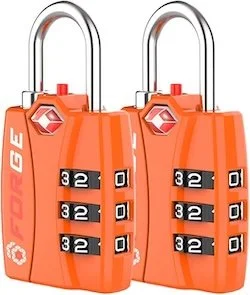
Airports, train stations, boarding platforms, and arrivals are when attention is divided. When I travel with my kids, I always use TSA locks on their backpacks. Those bags inevitably hold phones, gaming devices and other electronics, and kids aren’t always aware of their surroundings. It allows me to focus on moving us through busy spaces without having to watch my belongings and theirs at the same time.
Be mindful when using your phone in public
Even when actively using your phone, avoid walking with your head down or holding it loosely where it’s easy to grab. In busy areas, phones can be taken quickly by someone passing on a bike or scooter. When you need directions or messages, pause, step aside, and stay aware.
Keep phones off tables and bags off chair backs
A phone resting on a café table or a purse strap looped over a chair is easy to forget—and even easier to take. Personal items should be in your line of sight and securely placed.
Carry only what you need for the day
Leave passports, extra cards, and anything irreplaceable in your hotel safe when possible. Fewer items mean fewer things to manage and fewer opportunities for distraction.
Build in backups before you travel
As part of my planning process, I keep secure copies of client passports when they’re provided to me. In the event of a lost phone or missing documents, I can quickly send a copy to help with identification, airline needs, or consular assistance. It’s not something you hope to need—but it provides real peace of mind.
The Takeaway
Most travelers will never experience pickpocketing firsthand. But awareness—not worry—is what keeps it that way. Paying attention, moving with intention, and adopting a few thoughtful habits removes opportunity and restores ease.
The goal isn’t vigilance for its own sake. It’s traveling confidently—present in the moment, supported by good habits, and free to enjoy the places you’ve come so far to see.
Photo of social media post from NY Times Instagram - Photo of Monica Poli by @demayda