
Globetrotter guide: The architecture of adventure
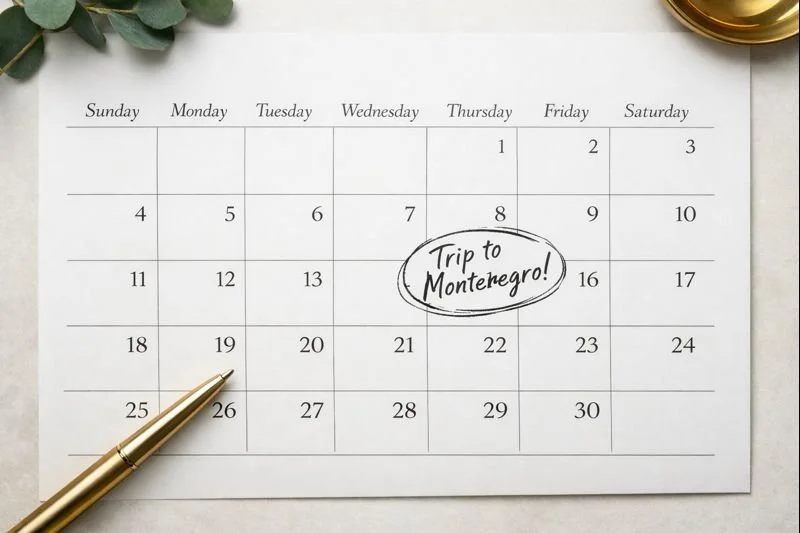
Travel by design, not by default.
By building a thoughtful, 12-month travel blueprint, you aren’t simply “booking trips,” you’re protecting your choices before they’re made for you by seasonal price increases, sold-out itineraries, and the quiet finality of no availability. This approach doesn’t eliminate flexibility—it creates it.
Time is an investment. Deliberate choices shape the return.
A Thoughtful Planning Guide for the Year Ahead
Below is a seasonal overview to help you understand when it’s ideal to begin planning travel—and when key elements are best secured. These are guidelines, not rules, and every trip can be tailored to your priorities, pace, and flexibility.
Festive & Holiday Travel
(Mid-December–Early January)
Begin planning conversations: January–March (the year prior)
Hotels & key experiences ideally secured no later than: April
Festive travel follows its own timeline
Premium resorts, ski destinations, and warm-weather escapes often sell out nearly a year in advance
Minimum stays and stricter policies are common
Last-minute travel:
Occasionally possible, but availability is extremely limited and flexibility is essential.
Winter Travel
(January–March, excluding festive weeks)
Begin planning conversations: August–October
Hotels & key experiences ideally secured no later than: November
Peak season for ski destinations and sun escapes
Early planning ensures preferred dates, room categories, and smoother logistics
Last-minute travel:
Possible with flexibility.
Spring Travel
(April–June)
Begin planning conversations: October–December
Hotels & logistics ideally secured no later than: February
One of the most competitive travel seasons globally
Particularly important for cultural destinations and school-break travel
Last-minute travel:
Sometimes possible, though options are more limited.
Summer Travel
(July–September)
Begin planning conversations: December–February
Hotels, villas & key services ideally secured no later than: March
Most capacity-driven season worldwide
Villas, family travel, and coastal destinations benefit significantly from advance planning
Last-minute travel:
Possible with creativity, though early planners enjoy far more choice.
Fall Travel
(October–November)
Begin planning conversations: March–May
Hotels & experiences ideally secured no later than: June
A favorite season for seasoned travelers
Fewer crowds, beautiful light, and strong value
Last-minute travel:
Very achievable and one of the most flexible seasons.
Planning Ahead vs. Spontaneity
One of the biggest myths in travel is that planning eliminates spontaneity. In reality, it often creates more room for it.
When core elements are thoughtfully secured:
Travel feels calmer and more fluid
Pacing improves and stress decreases
You remain free to be spontaneous within the journey
And when inspiration strikes suddenly, last-minute travel is always welcome. The goal isn’t rigidity—it’s readiness.
An Invitation to Begin
You don’t need firm dates, a destination, or a finalized plan to start—just curiosity.
Now is an ideal time to:
Share early ideas for the year ahead
Discuss milestone trips or meaningful occasions
Place strategic, flexible deposits where appropriate
Understand what truly benefits from advance planning—and what can wait
Looking Ahead
The most successful trips of the year ahead are already taking shape—not because everything is booked, but because someone decided to start thinking intentionally.
If there’s a journey you’d like to explore—planned well in advance or inspired at the last minute—I’d love to help you begin.
Here’s to a year of travel that’s thoughtful, inspired, and perfectly timed.